Guide
What Is Foot Reflexology?
Foot reflexology is a seated form of bodywork in which a therapist works point by point along the soles, arches and toes with steady thumb-and-finger pressure — guided by a traditional map of the foot rather than rubbing it at random. A typical visit lasts 30 to 60 minutes, happens fully clothed in a recliner, and starts at $30 cash for the half hour at our South Plainfield spa. This guide explains what the practice really is, where it comes from, and exactly how a session unfolds — so you know what you're booking before you ever sit down.
Offered for relaxation only — it sits alongside medical care and never replaces it.
A method, a chart, and a great deal of patience
Where the practice came from, what the foot "map" actually is, and why honesty about both matters.
Picture a therapist working slowly across the bottom of your foot, lingering on one spot, then the next, in a sequence that clearly has a plan behind it. That plan is the heart of reflexology. Practitioners divide each foot into a grid of small areas — the pads of the toes, the cushion under the ball, the long sweep of the arch, the firm heel — and treat each in turn with deliberate, sustained pressure from the thumbs and fingertips. Nothing is hurried, and nothing is random; the method is what separates a true session from an affectionate squeeze on the couch.
Let's be candid about that grid. It descends from old traditions — forms of organized foot pressure turn up across Chinese and Egyptian practice, and the version most Western spas use was assembled roughly a century ago. It is best understood as a traditional map, not a wiring diagram of the body. No solid evidence shows that kneading one corner of the heel reaches a particular organ, and we'd never tell you otherwise. What the chart does do, dependably, is hand the session a shape, so every overworked part of the foot receives calm, focused attention from experienced, licensed massage therapists instead of a handful of stray presses.
The chart isn't anatomy — it's a route. Its real job is to make sure no tired corner of the foot gets skipped. — On the traditional reflexology map
That distinction shapes how we describe the whole practice. We talk about reflexology the way the evidence allows — as a path to relaxation and short-term relief from ordinary tension — and nothing grander. If you'd rather start with what the studies do and don't support before reading on, our companion guide on reflexology benefits lays the research out plainly, while this page stays on the practical question of what the thing actually is.
Shoes off, everything else on
The recliner, the pressure conversation, and how 30 or 60 quiet minutes actually pass.
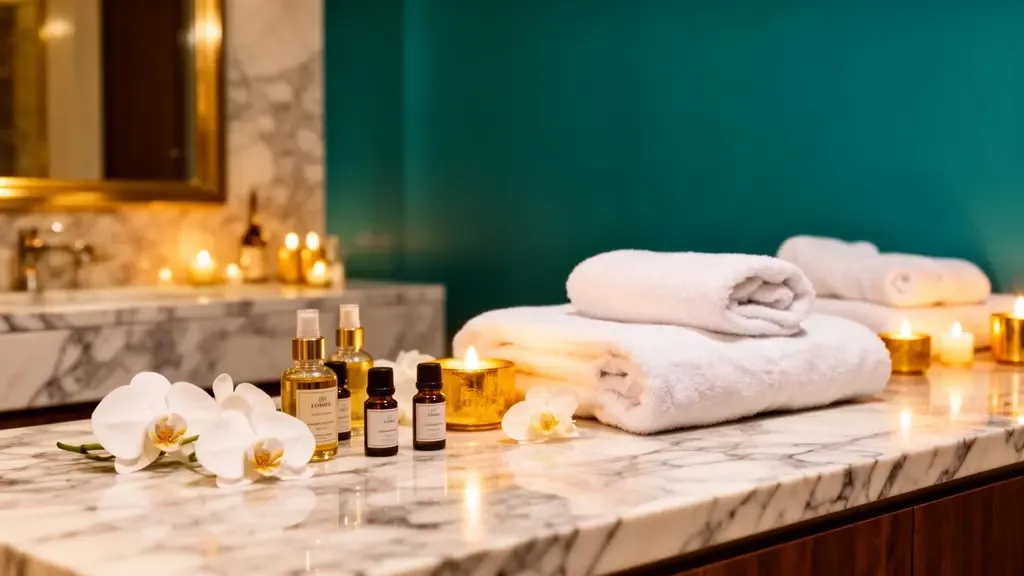
A session asks almost nothing of you up front. You slip off your shoes and socks, settle back into a wide recliner, and stay dressed in whatever you walked in wearing — there is no robe to change into and no table to climb onto. Your therapist opens with light, warming strokes to wake the feet up, then eases into the steadier, point-by-point pressure that defines the work. At our South Plainfield location that runs 30 minutes for $30 cash or a full hour for $50, and the half hour is genuinely enough for a real reset.
The single most useful thing you can do is talk about pressure. "A touch lighter on the arch," "linger right there," "that's perfect" — none of it interrupts the session; all of it steers it. Good therapists invite that running commentary, because the ideal pressure lives in a band that's firm enough to feel deliberate yet never sharp. The National Center for Complementary and Integrative Health notes that hands-on care like this is generally considered safe when a trained, qualified practitioner provides it — which is exactly who you'll have in the chair.
The best half hour you can spend on your feet is one you help direct — a word about pressure changes everything. — On steering your own session
As for what the rest of the time feels like: most guests stop watching the clock within a few minutes. Breathing slows, the shoulders drop, and the steady rhythm of the pressure becomes its own kind of quiet. When the session ends there's no rush to bolt upright — a cup of water and an easy minute back in the room let you carry the calm out the door instead of leaving it in the recliner. Curious how that experience plays out door to door? Our South Plainfield reflexology page walks through a first visit minute by minute.
Two ways to be good to your feet
The honest difference between a structured session and an everyday rub — and when each one fits.
In casual conversation the two names blur together, and that's fair: both happen at the feet, both feel lovely, and on a relaxing evening you might not consciously notice which you're getting. The real divide is intent. A general foot massage roams — it kneads, rolls and stretches the whole foot wherever the muscle feels tight. Reflexology commits to the chart, applying measured pressure to set points in a planned order for the full length of the session. If you just want sore feet soothed, either delivers; if you want the deliberate, mapped version, that's the one to ask for by name.
| Reflexology | General foot massage | |
|---|---|---|
| Approach | Sustained pressure held on set points, in sequence | Free-form kneading and rubbing across the foot |
| Guided by | A traditional map of foot zones | Wherever the muscle feels tight |
| You stay | Fully clothed in a recliner | Seated or on a table, depending on the spot |
| Reach for it when | You want a planned, unrushed session for the whole foot | You want quick, general loosening of tired feet |
One thing the table can't capture is how each one feels to book. Because reflexology keeps you clothed and seated, it tends to be the lower-stakes choice — easy to say yes to on a weeknight when a full table massage feels like too much commitment. That's a question of what a session is like, though; for what the evidence says either one may or may not do, the benefits guide is the page to read, and it's deliberately kept separate from this one so neither repeats the other.
The careful version of "does it work?"
A clear line between the claim we'll stand behind and the ones we won't — drawn straight from mainstream health sources.
Here's the part most explainers skip. Reflexology is not a treatment or cure for any medical condition, and we won't pretend otherwise. What the evidence reasonably supports is narrower and quieter: research suggests massage-based care may help with short-term relaxation and the relief of everyday tension for some people. The Mayo Clinic groups massage among practical tools for managing stress and unwinding, and that's the lane we keep to.
Mind the qualifiers, because they're doing real work. "May help" and "short-term" appear for a reason: many studies in this area are small, hard to run blind, and uneven in quality, which is why reviewers describe the broader claims around reflexology as limited or unsettled. The American Massage Therapy Association frames massage as something that can support overall well-being — a careful word, and the right one. The same honesty runs through how we talk about wellness across both spas.
So if you ever read that someone can diagnose your organs through your soles, flush "toxins" out through pressure points, or heal a disease one zone at a time, treat it as a red flag. Those promises sail well past what anyone can back up. The truthful pitch is smaller and, we'd argue, plenty: a genuinely restful hour and feet that feel cared for. That's reason enough to lean back in the chair — no miracle required.
A short list worth taking seriously
For most healthy adults reflexology is very low-risk — but a few circumstances deserve a quick call to your physician first.
Because the work means steady pressure on the feet, the same sensible caution that applies to starting any complementary therapy applies here. None of the situations below mean a flat no; they simply mean a brief conversation with your own provider belongs before the booking, not after. When you're unsure, that call settles it in a minute.
- Pregnancy — clear any massage or reflexology with your provider before you schedule it.
- A blood clot, DVT or circulation disorder — anything affecting the veins of the legs or feet warrants a doctor's word first.
- Diabetic feet — reduced feeling, neuropathy or skin changes on the feet call for medical guidance.
- Open wounds or infection — let anything broken or unhealed on the foot close up fully before a session.
- A recent injury or surgery — sprains, fractures and post-operative feet need clearance before pressure work resumes.
The plain rule: if you're managing a health condition or you simply aren't certain, check with your doctor before booking, and don't hesitate to reach either spa with questions first. Reflexology is meant to complement good medical care — it is never a substitute for it.
Where to put this guide into practice
One door open now, one opening July 1 — here's the menu and the practical detail for each.
Reading about reflexology only goes so far; the feet have to do the rest. We run two New Jersey spas that share the same unhurried, no-overselling approach and differ mainly in their menus, hours and opening dates. Moonlight Day Spa in South Plainfield is open today, seven days a week, and Happy Feet in Bound Brook joins it on July 1 — so here's each one, laid out plainly.
Moonlight Day Spa — South Plainfield
901 Oak Tree Ave Ste E, South Plainfield, NJ 07080 · (848) 319-0736
- Foot reflexology · 30 min$30
- Foot reflexology · 60 min$50
- Body massage · 30 / 60 / 90 min$40 / $65 / $90
- Cupping · 10 min$20
Mon–Sat 10 AM–9 PM · Sun 10 AM–8 PM. Plaza parking sits right in front of the suite, close to Edison and Piscataway.
Happy Feet — Bound Brook
600 W Union Ave, Bound Brook, NJ 08805 · (848) 313-0526
- Foot reflexology · 30 / 60 / 90 min$35 / $55 / $85
- Body massage · 30 / 60 / 90 min$45 / $65 / $100
- Cupping · 10 min$20
- Scalp massage · 10 / 20 min$15 / $20
From July 1: every day 9:30 AM–9 PM. Street parking nearby.
A word on the numbers: every figure above is the cash price. Card prices include a 6.625% processing fee. In practice a $30 half hour runs $31.99 on a card and a $55 hour runs $58.64 — two posted numbers, nothing buried. The longest reflexology option, 90 minutes for $85 cash, belongs to Happy Feet in Bound Brook once it opens, while Moonlight Day Spa is where you can settle into a recliner tonight. The complete menu for both stores lives on the services & pricing page.
What is foot reflexology — common questions
Is foot reflexology supposed to hurt?
Do I have to take my clothes off or be barefoot the whole time?
How is this different from the foot rub I get at a nail salon?
Does reflexology actually work?
How often should I go?
What's the shortest session worth booking?
Can anyone have a reflexology session?
Keep exploring
Related pages
Foot reflexology benefits
GuideThe companion guide — what research actually suggests pressure-point foot work may help with, plainly told.
See this page →Foot reflexology in South Plainfield
LocationBookable now: 30 minutes for $30 or 60 for $50, fully clothed in a recliner.
See this page →Services & pricing
MenuEvery treatment at both spas — reflexology, body massage, cupping and scalp — with cash and card prices.
See this page →Moonlight Day Spa — South Plainfield
Location901 Oak Tree Ave Ste E, plaza parking in front of the suite, close to Edison & Piscataway.
See this page →Happy Feet — Bound Brook
Location600 W Union Ave, with street parking nearby and the deeper menu. Doors open July 1.
See this page →Open-late massage
EveningsEvening sessions to 9 PM in South Plainfield now, 9:30 AM–9 PM daily in Bound Brook from July 1.
See this page →Ready to feel it for yourself?
Find your location and try a session
Now that you know what foot reflexology is, the rest is just a recliner away — at Moonlight Day Spa in South Plainfield, open now seven days a week, or Happy Feet in Bound Brook, opening July 1. Pick the door nearest you.